Article
The benefits of continuous market monitoring
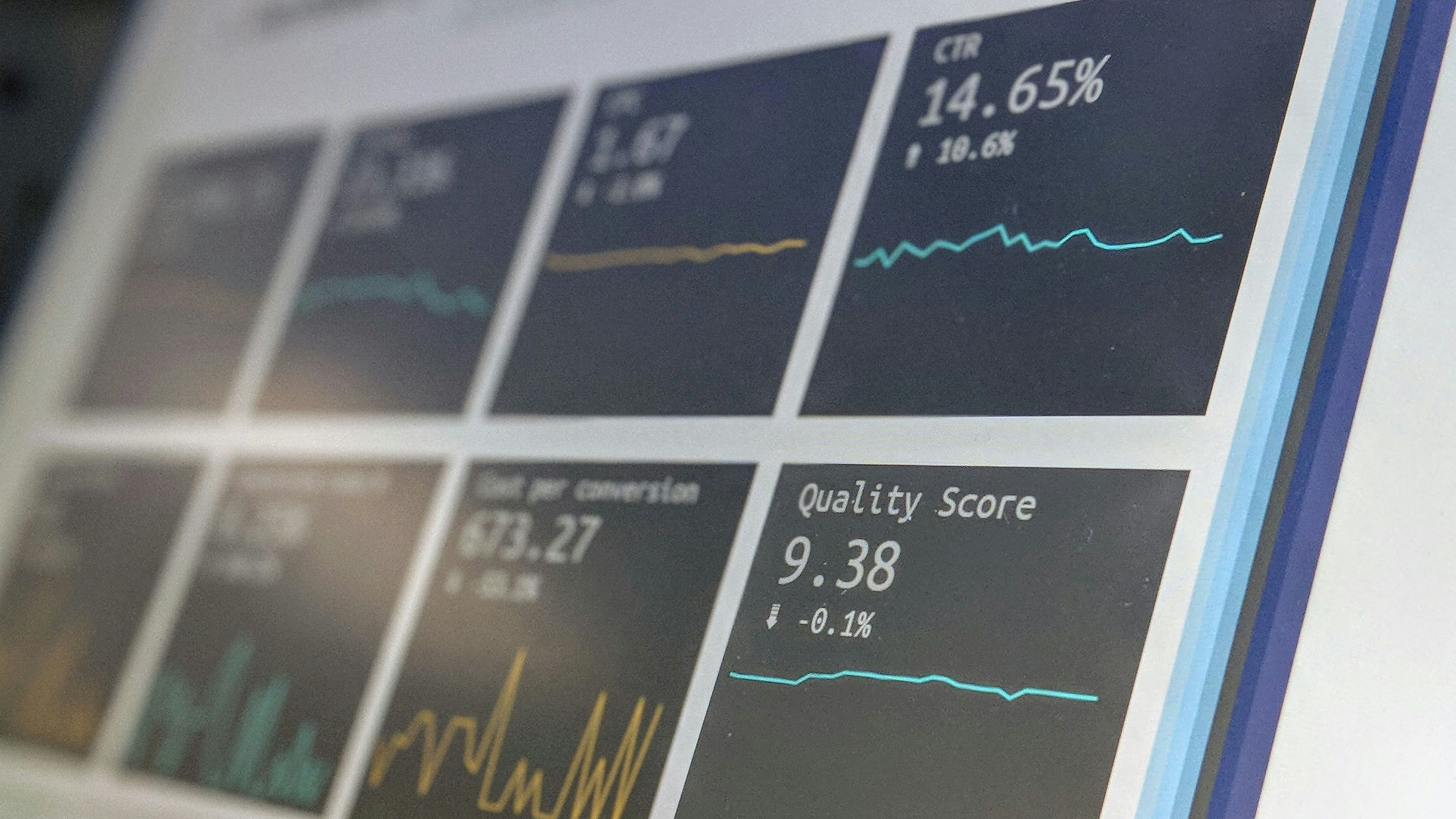
Market intelligence studies are often event-driven and have a clear beginning and end. Usually, there is a decision that needs to be substantiated by specific market insights. As a consequence, managers start running to collect the required data or enable their research partner. After the decision has been made, activities are dominated by daily routine again. After some time, this cycle repeats itself, triggered by a new question that needs to be validated or substantiated.
Considering the latter, would it not make way more sense to track your market on a more continuous basis?
For several reasons we think it does!
Continuously monitoring your market provides actionable insights that are highly valuable in order to make decisions on marketing, strategic planning, positioning, and product development. Considering your products and brands as key assets, knowing how they are used, perceived, and recognized by your clients is crucial to steer the future company’s growth and development.
You can measure your brand and product by focusing on:
- General performance
- Awareness (aided & spontaneous)
- Usage (penetration rates & market shares)
- Customer satisfaction
- Price position
Of course, these parameters above are suggestions; the possibilities are endless. Structural market monitoring offers many benefits; we will highlight three of them:
1. Always access to the right market information
Imagine you are asked to contribute to a new strategic plan for your department; you’ll definitely need figures about market size, potentials, trends & drivers, shares, and competitor performance. Also, you need those figures as soon as possible. Obtaining this information can be extremely time-consuming, especially if you have to start from scratch. By continuously monitoring your market, you ensure yourself of direct access to relevant market information based on market definitions made common in your organization.
It does not matter if you need to provide information for a strategy plan, marketing campaign, or product development session; all information is directly available at your fingertips.
2. Track market developments over time
By monitoring your market on a continuous basis, you are able to recognize long-term trends.
- Is your product or brand gaining more awareness?
- Is this also resulting in growing sales figures, or are they lagging behind?
- Is the new marketing campaign paying off?
By defining clear KPIs for your product or brand, you can draw the bigger picture to track developments over time.
Also, you can compare the impact of actions over time and draw comparisons.One organization may benefit from surveying customers yearly; another option is to conduct monthly or quarterly research. It all depends on your audience, goals, and business objectives. By market monitoring, you are able to measure performance over time.
3. Be on top of your market
We all know: daily operations are time-consuming; research shows that most business leaders have the constant feeling they are missing out on key market developments. By continuously monitoring your market, you stay on top of developments, drivers, and new competitors. This is an absolute necessity in today’s fast-paced world.
Stop using general assumptions to drive strategic decision-making, but use data and fact-based evidence.
Key takeaway
You can measure your product or brand on a wide variety of aspects, depending on the objectives of your organization. Surveying customers on a regular basis (for instance) provides your organization with actionable insights that can steer marketing, strategic planning, positioning, and product development decisions. Additionally, continuous market monitoring provides you with direct access to the right information, the ability to track developments over time, and stay on top of your market.